


Master the Secrets of Authentic Blues Tone Techniques

If you’ve ever been captivated by the soulful wail of a blues guitar, you know there’s something magical about that sound. It’s raw, emotional, and downright electrifying! But how do you actually get that authentic blues tone? I’m here to share the secrets and get you playing with that classic vibe in no time. Ready to dive in? Let’s go!
Unlocking the Power of Blues Tone Techniques
Blues tone isn’t just about plugging in and playing. It’s a combination of gear, technique, and feel. The magic happens when all these elements come together perfectly. Here’s what you need to know:
Guitar choice matters: Single-coil pickups like those on a Fender Stratocaster or P90s on a Gibson give you that bright, biting tone that sings.
Amp settings are key: Tube amps with a bit of natural breakup create warmth and grit. Dial in your gain just right – not too clean, not too distorted.
Playing dynamics: Your fingers and pick control the tone more than you think. Light touch for smooth, mellow notes; dig in for biting, aggressive sounds.
Use of effects: A touch of overdrive, a hint of reverb, or a subtle delay can add depth without overpowering your tone.
These blues tone techniques are the foundation. Master them, and you’re halfway there!

Essential Blues Tone Techniques You Can’t Miss
Let’s break down some of the most effective blues tone techniques that will transform your playing:
1. Vibrato and Bending
Nothing screams blues like a soulful bend or a wobbly vibrato. These techniques add emotion and personality to every note.
Bending: Push the string up or down to raise the pitch. Aim for a half-step or whole-step bend to mimic the human voice.
Vibrato: After bending, shake the string slightly to create a pulsating effect. It’s like giving your note a heartbeat!
2. Finger Positioning and Muting
Control is everything. Use your fretting hand to mute unwanted strings and keep your playing clean. Palm muting with your picking hand can also add a percussive feel.
3. Picking Style
Try mixing up your picking attack. Use alternate picking for speed or economy picking for smoothness. Experiment with fingerpicking to add texture.
4. Dynamics and Phrasing
Blues is all about telling a story. Play with volume and timing. Let notes breathe. Use pauses and rests to build tension.
These techniques aren’t just tricks – they’re the language of blues!
How to get the perfect blues tone?
Now, let’s get practical. How do you dial in that perfect blues tone every time you pick up your guitar? Here’s a step-by-step guide:
Start with your guitar: Choose a guitar with single-coil pickups or P90s. These pickups capture the nuances of blues playing.
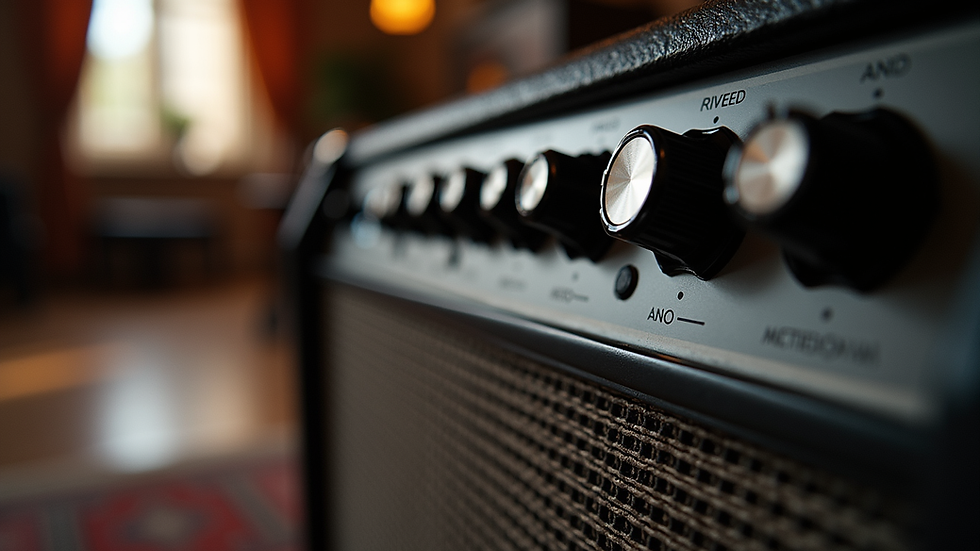
Set your amp: Use a tube amp if possible. Set your gain to around 4-6 (on a 10-point scale) for a warm breakup. Adjust bass, mid, and treble to taste – mids are crucial for that bluesy voice.
Add a little overdrive: A mild overdrive pedal or the amp’s natural breakup adds grit without harshness.
Adjust your tone controls: Roll back the tone knob on your guitar slightly to smooth out harsh highs.
Experiment with your picking hand: Try picking closer to the bridge for a brighter tone or near the neck for a warmer sound.
Use your fingers: Try fingerpicking or hybrid picking to add expression.
Play with dynamics: Don’t just blast every note. Vary your attack and volume for emotional impact.
Remember, the perfect blues tone is personal. It’s about what feels right to you and what moves your soul.
Gear Tips to Enhance Your Blues Tone
While technique is king, the right gear can make your life easier and your tone richer. Here’s what I recommend:
Guitars: Fender Stratocaster, Gibson Les Paul with P90s, or any guitar with single-coil pickups.
Amps: Tube amps like Fender Blues Junior, Vox AC15, or any amp that breaks up naturally at moderate volumes.
Pedals: Overdrive pedals like the classic Tube Screamer or a mild boost pedal. Avoid heavy distortion – blues is about subtlety.
Strings: Use lighter gauge strings (like .010-.046) for easier bending and vibrato.
Cables and picks: Don’t overlook quality cables and picks. They affect your tone more than you think!
If you want to dive deeper, check out this authentic blues tone guide for detailed gear recommendations and settings.
Bringing It All Together: Your Blues Tone Journey
Getting that authentic blues tone is a journey, not a destination. It takes practice, experimentation, and passion. Here’s how to keep pushing forward:
Listen to the greats: Study legends like B.B. King, Stevie Ray Vaughan, and Taj Farrant himself. Notice their tone, phrasing, and feel.
Record yourself: Hearing your playing back helps you identify what works and what needs tweaking.
Jam with others: Playing with other musicians pushes you to adapt and grow.
Keep experimenting: Try different guitars, amps, and settings. Don’t be afraid to break the rules.
Stay inspired: Watch live performances, attend shows, and keep your love for blues alive.
Your tone will evolve as you do. Embrace the process and enjoy every note!
Ready to unleash your inner blues guitarist? With these blues tone techniques and a little dedication, you’ll be crafting soulful, authentic sounds that move hearts and feet alike. Keep rocking, keep exploring, and most importantly - keep feeling the blues!
Rock on!


Comments